How To Build Client Systems That Create Exceptional Experiences Without Founder Dependency
Most founders care deeply about their clients.
That is often what separates great companies from average ones.
They notice details.
They anticipate needs.
They personally solve problems.
They create relationships.
But the same care that helps a company grow can become a challenge when the founder becomes responsible for maintaining every part of the client experience.
At some point, a founder has to answer a difficult question:
“Can our clients receive an exceptional experience without needing me involved?”
That question is not about reducing quality.
It is about building quality into the company.
A scalable client experience is intentional.
It is designed.
It is repeatable.
The Hidden Risk of Founder-Led Client Delivery
Many founders unintentionally become the quality control system.
Before something goes to a client, they review it. When a client has a question, they answer it. When something feels off, they fix it. This works temporarily.
But eventually, it creates three problems:
1. The Founder Becomes the Bottleneck
Everything slows down because decisions wait for one person.
2. The Team Cannot Fully Own Outcomes
People hesitate because they are unsure what decisions they can make.
3. Growth Becomes Exhausting
More clients create more dependency instead of more leverage.
The solution is not caring less. The solution is creating stronger systems.
Step One: Design the Client Journey
Every client should move through a defined experience.
A client journey typically includes:
Lead conversion
Closing the same
Onboarding.
Delivery.
Communication.
Review points.
Renewal.
Offboarding.
Each stage should answer:
What happens?
Who owns it?
What does the client experience?
What information is needed? A predictable experience creates confidence.
Step Two: Build a Strong Onboarding System
The first impression after the sale often determines the entire relationship.
A strong onboarding process includes:
Welcome communication.
Expectations.
Required information.
Timeline.
Key contacts.
Initial milestones.
The goal is reducing uncertainty.
Clients should never wonder: “What happens next?”
Step Three: Create Delivery Standards
Many businesses focus heavily on sales and overlook fulfillment.
But fulfillment is where trust is built.
Define:
How work is completed.
How quality is measured.
How communication happens.
How changes are handled.
How issues are escalated.
Your team should not have to reinvent delivery for every client.
Step Four: Create Communication Rhythms
Strong relationships require communication.
But communication without structure creates chaos.
Define:
When updates happen.
How clients request support.
Who communicates.
What information is shared.
A client should feel informed without the team feeling constantly interrupted.
Step Five: Build an Offboarding Experience
The client relationship does not end when delivery ends.
A thoughtful offboarding process creates:
Better retention.
Stronger referrals.
Valuable feedback.
Future opportunities.
The final impression matters.
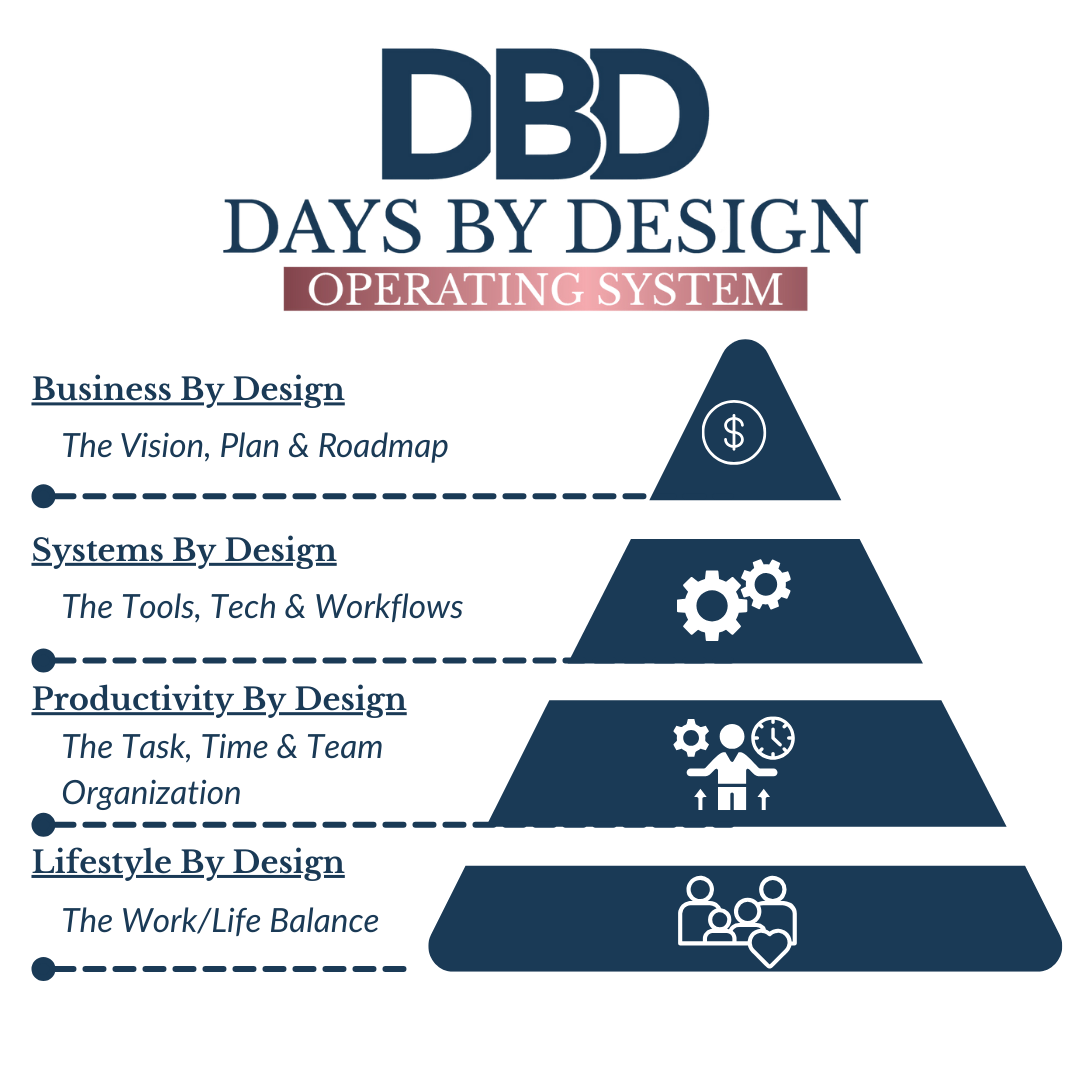
How Days By Design Operating System™ Creates Client Clarity
The Days By Design Operating System™ helps companies build client systems that support both the customer and the team.
We evaluate:
The sales process
Client onboarding.
Fulfillment workflows.
Communication processes.
Internal handoffs.
Documentation.
Retention systems.
Offboarding procedures.
The goal is creating a client experience that feels personal because it is intentional. Not because one person is carrying everything.
The Founder Shift
Scaling requires moving from:
“I make sure every client is happy.”
to:
“We have designed a company that consistently creates happy clients.”
That is the difference between being the provider and building the organization.
Your clients should benefit from your vision. Your team should benefit from your systems. And your company should be able to grow without sacrificing the experience that made it successful.
Book a call or send me a DM to learn more.